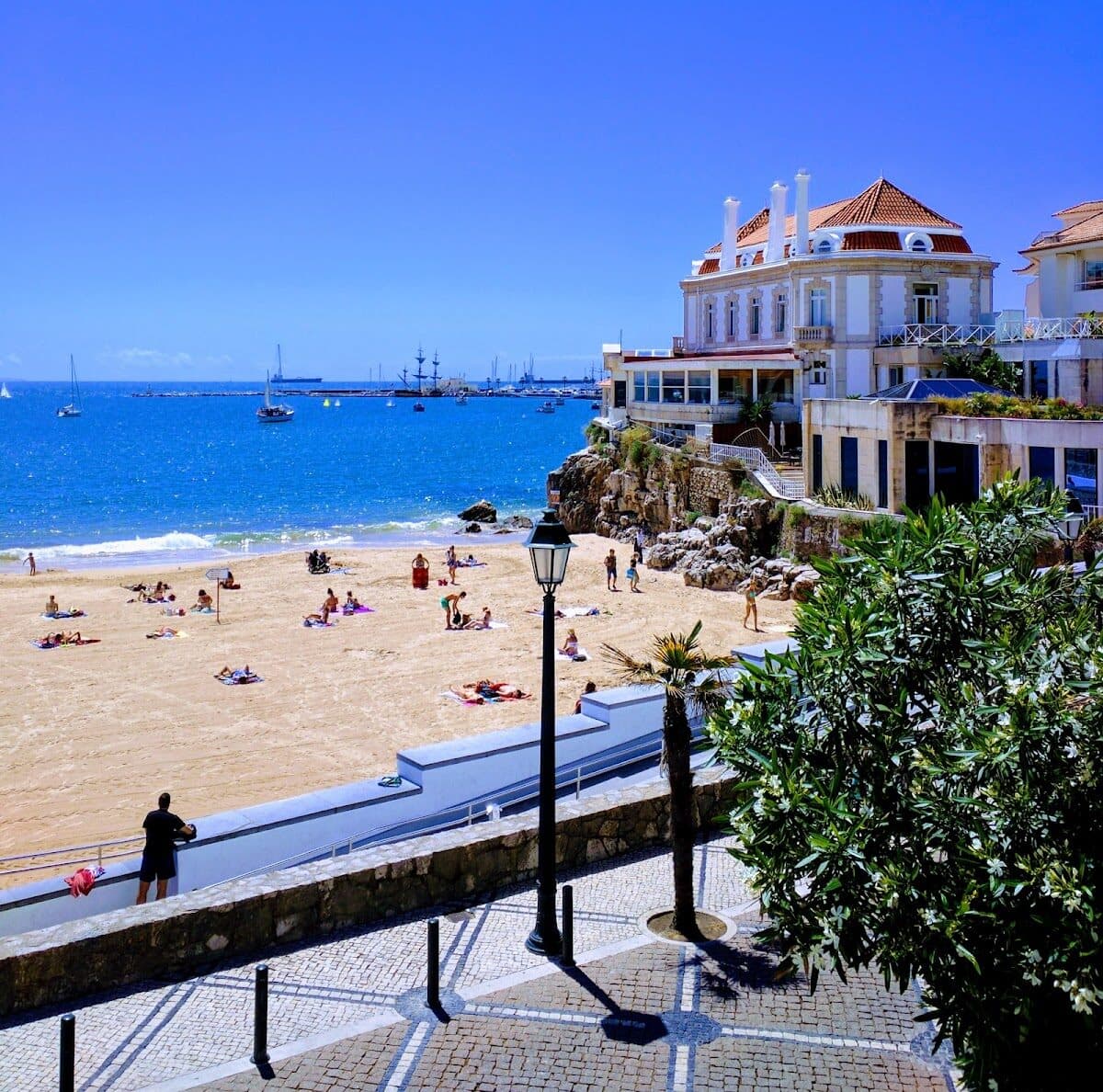
Naturism in Portugal has a long history of legal recognition and growing social acceptance. Since 1988, with Decree-Law no. 264/88, the Portuguese state has officially regulated the practice of naturism in designated bathing areas. This legal framework was an important step in normalising an activity practised by thousands of Portuguese and foreign visitors every year.
Portugal offers exceptional conditions for naturism: a mild climate, long beaches, clean water and a culture of tolerance that makes the experience welcoming both for seasoned practitioners and for first-timers.
Officially naturist beaches
A number of Portuguese beaches have an official designation for naturism, properly signposted and managed by local authorities.
Praia do Meco (Sesimbra, Setúbal)
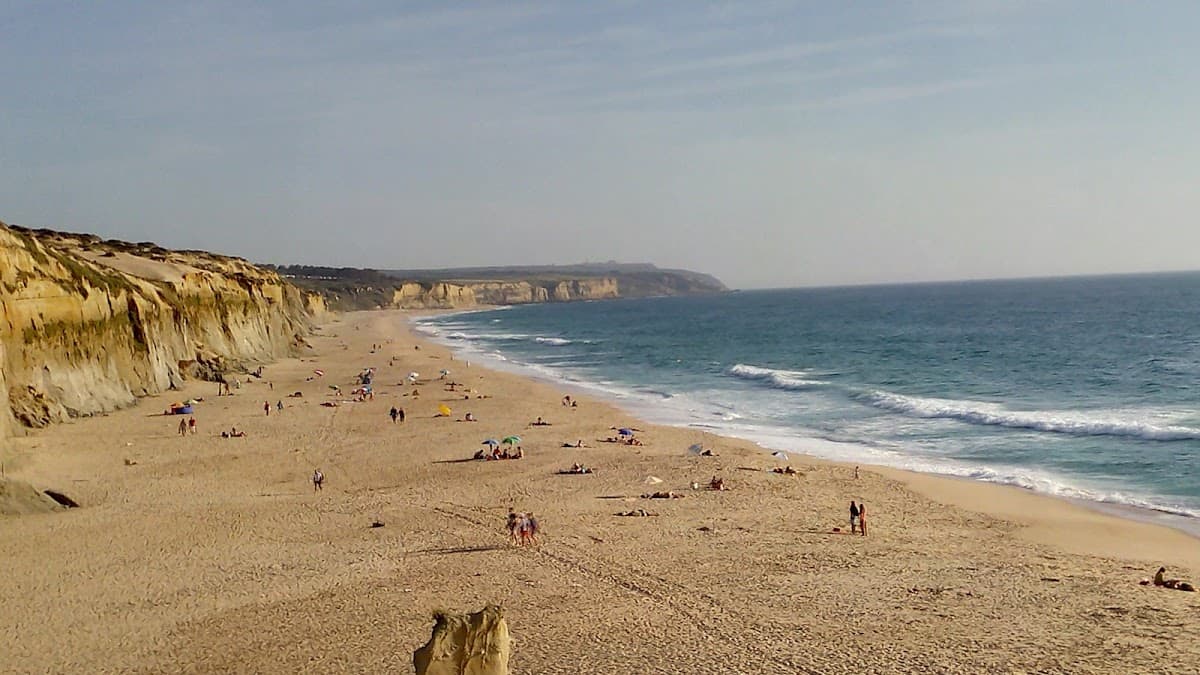
Praia do Meco is, without doubt, the most famous and busiest naturist beach in Portugal. Located on the Arrábida coast south of Lisbon, this long, wild beach draws thousands of national and international visitors every year. The naturist area is at the southern end of the beach, clearly identified. The sand is wide, the water is fresh and the cliffs create a natural sense of privacy.
Praia da Bela Vista (Costa da Caparica)
Set within the long dune system of Costa da Caparica, Praia da Bela Vista is one of the most accessible options for anyone coming from Lisbon. The naturist area sits further south, away from the busier parts of the strand. It is a good choice for visitors who want some peace with conveniences nearby.
Praia da Barriga (Vila do Bispo, Algarve)
In the far southwest of the Algarve, Praia da Barriga is one of the most isolated and untouched naturist beaches in the country. Access is via a dirt track, which keeps visitor numbers low and the atmosphere serene.
Praia do Homem Nu (Aljezur, Algarve)
Despite its evocative name, Praia do Homem Nu is relatively unknown even among naturist practitioners. Located on the Vicentine Coast, it sits within the protected area of the Southwest Alentejo and Vicentine Coast Natural Park, which guarantees a pristine setting.
Praia das Adegas (Aljezur / Odeceixe)
Near Odeceixe, Praia das Adegas is another Vicentine Coast beach where naturism is practised. Pedestrian access and a remote location are factors that appeal to people who value a more immersive contact with nature.
Clothing-optional beaches
In addition to the formally designated beaches, there are several Portuguese bathing areas where nudism is tolerated by custom or because of the location's isolation.
| Beach | Location | Notes |
|---|---|---|
| Praia da Adiça | Almada, Setúbal | Southern section, access via dirt path |
| Praia da Ilha Deserta / Barreta | Faro, Algarve | Accessible by boat only |
| Praia da Comporta | Alcácer do Sal | Southern section, quiet atmosphere |
| Praia de São Torpes | Sines, Alentejo | Isolated stretches along the coast |
At these beaches, naturism should be practised with discretion and respect for other bathers, particularly in areas shared with clothed visitors.
Tips for first-time visitors
Visiting a naturist beach for the first time can feel intimidating. These pointers help make the experience easier:
- Always bring a towel to sit on between your body and any shared surface — this is a fundamental hygiene rule and a universal naturist norm
- Respect designated areas: at mixed beaches the naturist section is usually clearly signposted
- Do not photograph other people without express consent — this rule is taken very seriously in the naturist community
- Apply sunscreen regularly, especially on areas usually covered by clothing
- Naturism is not an invitation to sexual interaction — inappropriate behaviour is rejected by the community and can carry legal consequences
- Dress when entering and leaving the naturist area, particularly when crossing public or shared-access zones
Organised naturism in Portugal
Naturism in Portugal has institutional representation through the Portuguese Naturism Federation (FPN), which brings together associations and clubs from across the country. The FPN is a member of the European Naturist Federation (ENF) and the International Naturist Federation (INF), which makes mutual recognition between naturists from different countries straightforward.
The federation organises regular activities — from hiking events to gatherings at private parks — and shares up-to-date information about locations and rules.
Portugal continues to be a leading naturist destination in southern Europe. The combination of exceptional beaches, favourable climate for much of the year and a clear legal framework makes the country a natural choice for anyone who enjoys this way of connecting with nature.